Beyond People Analytics
If you’ve spent time in HR leadership, you’ve watched the profession evolve from personnel management to people operations. Now a new concept is reshaping the conversation: workforce intelligence.
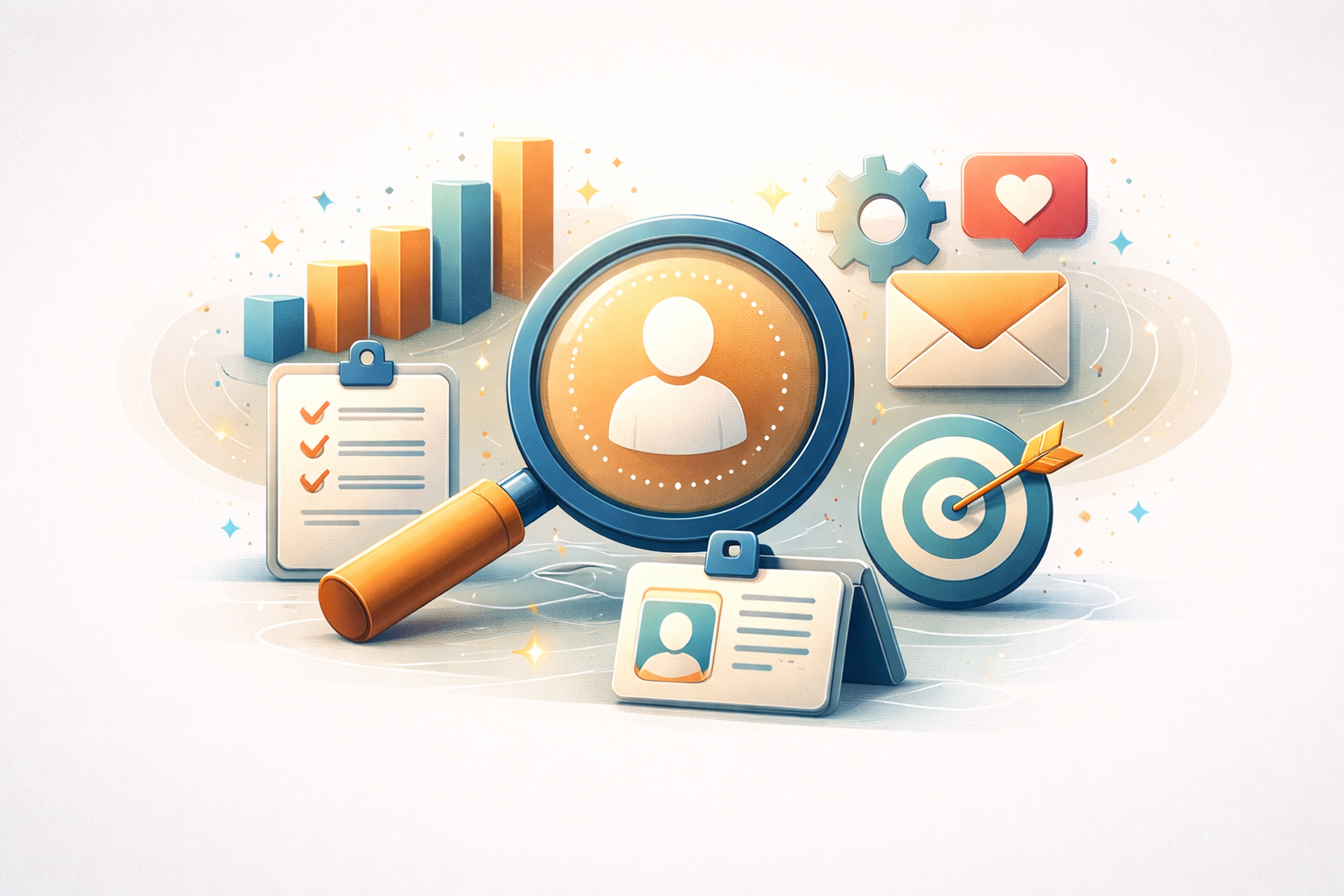
Workforce intelligence is the practice of collecting, integrating, and analyzing data from across the entire employee experience to generate actionable insights that drive both organizational performance and worker wellbeing. It goes beyond traditional people analytics in a critical way: rather than looking at isolated data points like engagement scores or turnover rates, workforce intelligence connects the dots across the full spectrum of workforce data to reveal patterns that would otherwise remain invisible.
People analytics tells you that turnover in your engineering department increased 12% last quarter. Workforce intelligence tells you why it happened, which teams are at risk next, what interventions have worked in similar contexts, and what the projected cost of inaction looks like over the next 18 months.
Why Traditional People Analytics Falls Short
The people analytics movement has done tremendous good. According to a 2023 report from Insight222, 82% of large organizations now have a dedicated people analytics function, up from just 30% in 2016. But having the function and getting real value from it are different things.
Most people analytics teams spend the majority of their time on descriptive reporting — headcount dashboards, attrition reports, diversity metrics. These are necessary, but they answer the question “what happened?” rather than “what should we do about it?”
A 2024 study by RedThread Research found that only 14% of people analytics teams have moved beyond descriptive analytics to predictive or prescriptive capabilities. The gap exists not because the teams lack talent, but because the data infrastructure underneath them is fundamentally fragmented.
The Data Silo Problem
The average enterprise uses between 12 and 16 different HR technology platforms, according to research from Josh Bersin. Your HRIS holds one set of data. Your engagement survey platform holds another. Your LMS, benefits administration, performance management tool, recruiting ATS — each captures a slice of the employee experience, but none of them communicate meaningfully.
Workforce intelligence solves this by creating a unified data layer that integrates information across all of these systems. When you can see learning completion data alongside performance outcomes alongside engagement trends alongside compensation data, entirely new patterns emerge.
The Core Components of Workforce Intelligence
Workforce intelligence platforms typically operate across four layers, each building on the one below it.
1. Data Integration and Unification
The foundation layer connects to your existing HR technology stack and creates a single, normalized data model. Different systems define “employee” differently, use different date formats, and structure data in incompatible ways. The integration layer handles all of this complexity.
2. Advanced Analytics and Pattern Recognition
With unified data in place, machine learning models can identify patterns that human analysts would miss. A workforce intelligence system might discover that the combination of three specific factors — manager tenure under six months, skip-level meeting frequency below once per quarter, and learning budget utilization under 40% — predicts voluntary turnover with 73% accuracy, months before an exit interview ever happens.
3. Contextual Recommendations
Raw insights without context are noise. Workforce intelligence platforms translate analytical findings into specific, actionable recommendations tailored to an organization’s unique situation. This is where evidence-based workplace design becomes critical — recommendations must be grounded in research about what actually works.
4. Continuous Learning and Adaptation
The final layer closes the loop. As organizations act on recommendations, the system tracks outcomes and refines its models. Over time, the intelligence becomes more accurate and more specific to your organizational context.
How AI Is Accelerating the Shift
Artificial intelligence is the catalyst that makes workforce intelligence practical at scale.
Natural language processing enables organizations to analyze unstructured data — open-ended survey comments, performance review narratives, exit interview transcripts. Research from MIT Sloan suggests that unstructured data contains up to 80% of the useful signal in workforce data. Understanding how AI is transforming the employee experience goes far beyond chatbots and automation.
Predictive modeling allows organizations to shift from reactive to proactive talent management. Rather than conducting an annual survey and discovering problems six months later, workforce intelligence systems provide continuous, real-time insight into workforce health.
Generative AI makes insights accessible to non-technical users. When a VP can ask, “Why is attrition higher in my Seattle office than Austin?” and receive a nuanced, data-driven answer in plain language within seconds, the relationship between HR data and business decisions changes fundamentally.
What This Means for HR Leaders
If you’re evaluating your analytics strategy, here are three practical takeaways.
First, audit your data infrastructure. You can’t build workforce intelligence on disconnected, inconsistent data. Map every system that holds workforce data, identify gaps and overlaps, and develop a plan for integration.
Second, invest in the right skills. Workforce intelligence requires a blend of data science, industrial-organizational psychology, and business acumen. The most effective teams combine people who understand statistics with people who understand organizational behavior.
Third, start with a business problem, not a technology. The organizations that get the most value begin with a specific, high-stakes question — “Why are we losing top performers in the first 18 months?” or “Which teams are most at risk of burnout heading into Q4?” — and work backward to the data needed to answer it.
The Road Ahead
Workforce intelligence is still in its early stages. Most organizations are somewhere between traditional reporting and basic predictive analytics. But within the next three to five years, workforce intelligence will become as foundational to organizational strategy as financial intelligence is today.
The organizations that build this capability now will have a significant advantage: better talent decisions, lower attrition costs, more engaged workforces, and the agility to adapt to a labor market that grows more complex every year.
Workbliss is building the intelligence layer that connects your entire workforce ecosystem — turning fragmented data into unified insight and insight into action. Join the waitlist to be among the first to experience it.